Strategy
Stop Leaving Money on the Table: The Fractional Blueprint
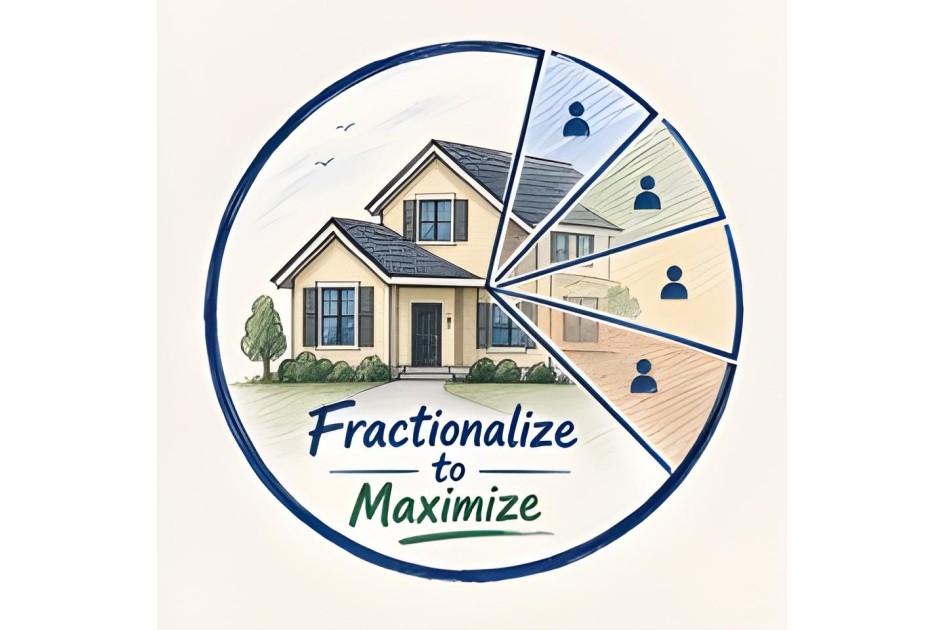
Is fractional ownership worth it? Most developers feel trapped by a binary choice: sell or walk away. Learn how to fractionalize a home and the three tests every property must pass before going fractional.
Most developers feel trapped by a binary choice: Sell the whole property, or walk away because the numbers don't work.
But for the last 25 years, I've been proving there is a third option.
Since 1998, I've helped write the playbook on fractional ownership, working with iconic brands like Four Seasons and Ritz-Carlton, as well as private homeowners looking to maximize their exits.
I'm launching this newsletter to give you the blueprint on how to make fractional ownership work — and more importantly, when to avoid it.
Stop Before You Start: Is Your Project Actually "Fractional-Ready"?
Fractional ownership is a "force multiplier" for profit, but only if the foundation is right. Before you draft a marketing plan or hire a sales team, you must pass these three tests:
1. The "Stay-ability" Factor 📍
Is your property a "habitual destination"? Fractional works best in places people return to year after year (e.g., Aspen, Cabo, Florida).
The Trap: If your property is in a "bucket list" location where people visit once and never return, fractionalization will be a hard sell. Buyers want a "home base" in a place they already love.
2. The Floorplan Test 🏠
Does the asset "share" well? You can't just split a deed and call it a day.
- Equal Luxury: If you have one massive Master Suite and three tiny guest rooms, you may have sale issues.
- Storage: If you should account for "lock-off" storage for owners' personal gear (golf clubs, skis), you may need to rethink the garage or spare room layout.
3. The 1.4x Rule 📈
Does the math actually pencil out?
The gross sales revenue of a fractional project should typically be 1.4x to 2.2x the value of the whole-ownership price.
The Reality Check: If the market won't support a price point that covers the overhead of preparing for fractional ownership while still providing a "win" for the buyer, the project isn't viable.
The Bottom Line
Fractional ownership isn't a "Hail Mary" for a bad property. It is a high-performance strategy for the right property.
Sometimes, the most valuable advice I give a client is: "Don't do this project in fractions."
Are You Wondering If Your Home or Project Is a Fit?
I've built a "viability audit" to help you find out. Let's look at the numbers together before you commit your capital.
Should you wish to become a Fractional Consultant, I have a wonderful 30-day program for you on my website.
— Sherman D. Potvin Fractional Consultant | Author of "Fractionalize to Maximize"