Education
Co-Ownership Property: A Complete Guide to Shared Ownership Property
Thinking of buying a vacation home with friends? Learn how co-ownership property works, legal structures (tenancy in common, joint tenancy, LLC), management tips, common mistakes, and 10 FAQs.
Owning a property with other people can be an effective way to share responsibilities and enjoy the benefits of real estate ownership. Whether you want a vacation home, a seasonal retreat, or a property for family gatherings, co ownership property arrangements allow multiple people to own the same property under an agreed legal structure.
A shared ownership property can appeal to friends, family members, or individuals who want to enjoy a property without managing every aspect of ownership independently. However, shared ownership involves more than agreeing to purchase a home together. Owners must understand their legal rights, establish clear responsibilities, and decide how they will manage the property over time.
For anyone considering buying a vacation home with friends, understanding how co-ownership works can help prevent misunderstandings and create a more organized ownership experience.
What Is a Co-Ownership Property?
A co ownership property is a property owned by two or more individuals or entities. Each owner holds an interest in the property, with their rights and responsibilities determined by the legal ownership structure and applicable agreements.
Co-ownership can involve a vacation home, a second residence, a recreational property, or another type of real estate. Depending on the arrangement, owners may share access to the property, participate in management decisions, and contribute toward ongoing responsibilities.
For example, friends who frequently visit the same vacation destination may decide to own a home together. They can establish a schedule for personal use, agree on maintenance responsibilities, and determine how they will handle shared decisions.
The legal structure matters because it determines how ownership interests work, how decisions are made, and what happens when an owner wants to leave the arrangement. Some co-owners hold title directly, while others establish a limited liability company (LLC) to own and manage the property.
Benefits of Shared Ownership Property
A shared ownership property arrangement can offer several practical advantages when everyone understands the responsibilities involved.
1. Shared Responsibilities
Property ownership requires regular attention, including maintenance, repairs, cleaning, and general upkeep. Co-owners can divide these responsibilities according to their agreement, making property management more organized.
Some groups prefer to handle routine tasks themselves, while others hire a professional property manager to coordinate maintenance and other services.
2. Access to a Vacation Home
A vacation property may remain unused for much of the year when a single owner has limited time to visit. Co-ownership allows multiple households to enjoy the same property according to an agreed schedule.
Owners can establish booking procedures for weekends, holidays, and peak vacation periods. A clear calendar helps everyone understand when they can use the property and reduces scheduling conflicts.
3. Shared Decision-Making
Co-owners can work together when making decisions about improvements, maintenance, furnishings, and property management. An ownership agreement can establish which decisions require everyone's approval and which decisions can be made by a designated manager.
This structure encourages accountability and gives owners a defined process for managing the property.
4. Flexible Ownership Arrangements
Every group has different needs. Some owners may want equal ownership interests, while others may prefer a structure that reflects their individual contributions.
The legal documents should clearly establish each owner's interest and explain how management responsibilities, voting rights, and other obligations will work.
Buying a Vacation Home With Friends: Important Considerations
Buying a vacation home with friends can be an enjoyable experience when everyone shares similar expectations. However, differences in schedules, maintenance preferences, and decision-making styles can create challenges if the group does not discuss them beforehand.
Before entering a co-ownership arrangement, consider the following factors.
- Ownership structure: Decide how the property will be legally owned and document each person's rights.
- Usage schedule: Establish fair rules for booking the property, including holidays and popular travel periods.
- Maintenance responsibilities: Agree on how routine upkeep, cleaning, and repairs will be handled.
- Shared expenses: Define how owners will contribute toward taxes, insurance, utilities, maintenance, and other ongoing obligations.
- Guest policies: Determine whether owners can invite guests or allow family members to use the property independently.
- Decision-making: Establish procedures for approving improvements, hiring service providers, and resolving disagreements.
- Exit arrangements: Decide how an owner can transfer or sell their interest if their circumstances change.
Discussing these matters early can help everyone understand what the arrangement requires before making a commitment.
Legal Structures for a Shared Ownership Property
Choosing the appropriate legal structure is an important step in establishing a shared ownership property arrangement. Different structures offer different rights and responsibilities, so owners should understand their options before proceeding.
Tenancy in Common
Under a tenancy-in-common arrangement, multiple people hold ownership interests in the same property. Their interests may be equal or unequal, depending on the arrangement and applicable law.
Each owner's rights concerning transfers, inheritance, and property use depend on the legal structure, state law, and any relevant agreements.
Joint Tenancy
Joint tenancy is another form of shared property ownership. It may include a right of survivorship, under which a deceased owner's interest generally passes to the surviving joint tenants rather than through the deceased owner's estate.
The requirements and consequences vary by jurisdiction, so buyers should understand how this structure affects their circumstances. See our state-by-state fractional ownership regulations for an overview.
Limited Liability Company (LLC)
Some co-owners establish an LLC to own and manage the property. The LLC operating agreement can explain membership interests, voting rights, responsibilities, property usage, and procedures for transferring an ownership interest.
An LLC can provide an organized framework for managing shared real estate, but it does not automatically eliminate every legal or financial liability. A qualified real estate attorney can help determine whether this structure suits the intended arrangement.
How to Manage a Co-Owned Property Successfully
Successful co ownership property arrangements depend on communication, organization, and clear documentation. Owners should establish practical procedures that cover everyday operations as well as unexpected situations.
Consider these best practices:
- Create a written agreement: Document ownership interests, responsibilities, usage rules, and decision-making procedures.
- Maintain clear records: Keep organized records of expenses, maintenance activities, insurance, and important decisions.
- Plan property usage: Use a shared calendar or booking system to coordinate visits and avoid scheduling conflicts.
- Establish maintenance procedures: Decide who will arrange routine services and how owners will approve major repairs.
- Communicate regularly: Schedule discussions to review the property's condition, upcoming responsibilities, and any concerns.
- Prepare for disagreements: Establish a process for resolving disputes before they affect the relationship between owners.
- Define an exit strategy: Document how an owner can transfer their interest and what procedures apply when someone wants to leave.
These practices help establish clear expectations and support a more manageable ownership experience.
How FractionalRealEstate.pro Supports Shared Property Ownership
People interested in fractional real estate can benefit from resources that explain how shared property arrangements are structured, managed, and marketed.
FractionalRealEstate.pro provides resources for property owners and real estate professionals exploring fractional ownership. Its offerings include fractional LLC legal document templates, websites designed to market fractional property shares, sales training, and a DIY manual covering the process of structuring, marketing, and closing a fractional offering.
The website also features Sherman D. Potvin, who reports more than 28 years of experience in fractional real estate.
These resources can help readers understand important aspects of fractional property ownership and identify questions to address when planning an arrangement. However, educational materials and document templates should complement professional legal and tax advice tailored to the property and applicable state laws.
Common Mistakes to Avoid When Owning Property Together
Even when co-owners trust one another, a shared ownership property arrangement needs clear rules.
Common mistakes include:
- Relying on verbal promises instead of a written ownership agreement.
- Leaving property usage and holiday scheduling undefined.
- Failing to assign maintenance and management responsibilities.
- Overlooking procedures for unexpected repairs or missed contributions.
- Assuming every owner has the same rights without reviewing the legal documents.
- Ignoring how an ownership interest can be transferred or sold.
- Failing to establish a process for resolving disagreements.
Addressing these issues before purchasing can help owners protect their interests and maintain a more cooperative relationship.
Frequently Asked Questions
1. What Does Co-Ownership Property Mean?
A co ownership property is real estate owned by two or more people or entities. Each owner holds an interest in the property and has rights and responsibilities determined by the legal structure and applicable agreements.
2. How Does a Shared Ownership Property Work?
A shared ownership property arrangement allows multiple owners to share property rights and responsibilities. The ownership agreement establishes how the property is managed, how expenses are allocated, how usage is scheduled, and how decisions are made.
3. Is Buying a Vacation Home With Friends a Good Idea?
Buying a vacation home with friends can work well when everyone shares similar goals and agrees on property usage, maintenance, responsibilities, and decision-making. A clear written agreement can help prevent misunderstandings and provide a framework for handling future changes.
4. Can Co-Owners Have Different Ownership Percentages?
Yes. Depending on the legal structure and applicable law, co-owners may hold different ownership interests. The governing documents should clearly define each person's interest and explain how voting rights, expenses, and proceeds from a potential sale will be handled.
5. What Happens If One Owner Wants to Leave the Arrangement?
The process depends on the ownership structure, applicable laws, and the terms of the agreement. The documents may establish transfer restrictions, buyout procedures, or rights that allow the remaining owners to purchase the departing owner's interest.
6. Who Is Responsible for Maintaining a Co-Owned Property?
Responsibilities depend on the ownership agreement. Owners may divide routine tasks among themselves or hire a professional property manager. The agreement should explain how maintenance is arranged, how expenses are approved, and how urgent repairs are handled.
7. Can Co-Owners Rent Out a Shared Vacation Property?
Potentially, yes. Rental activity depends on the ownership agreement, local regulations, insurance requirements, and any applicable community or homeowners association restrictions. Owners should confirm that short-term rentals are permitted before making arrangements.
8. What Legal Documents Are Needed for Shared Property Ownership?
Depending on the arrangement, relevant documents may include a deed, co-ownership agreement, LLC operating agreement, property management agreement, and other applicable legal documents. A qualified real estate attorney can help identify the documents required for the specific ownership structure.
9. How Can Co-Owners Avoid Disagreements?
Clear communication and written rules can reduce misunderstandings. Owners should agree on scheduling, expenses, maintenance, decision-making, and dispute resolution before purchasing the property. Regular communication can also help address concerns before they become larger problems.
10. Where Can I Learn More About Fractional Real Estate?
FractionalRealEstate.pro offers resources related to fractional ownership, including legal document templates, fractional property websites, sales training, and educational material about structuring and marketing shared real estate opportunities. You may also enjoy our Vacation Home Co-Ownership guide.
Conclusion
A co ownership property arrangement offers an alternative for people who want to share the responsibilities and benefits of owning real estate. Whether the goal is a vacation retreat, a second home, or a property shared among family members and friends, successful ownership begins with clear expectations and a suitable legal structure.
A well-organized shared ownership property arrangement should define ownership interests, property usage, management responsibilities, decision-making procedures, and options for transferring an interest. Taking time to establish these details can help prevent misunderstandings and support a smoother ownership experience.
For additional information about fractional ownership structures, legal resources, and shared property opportunities, visit FractionalRealEstate.pro or contact me directly.
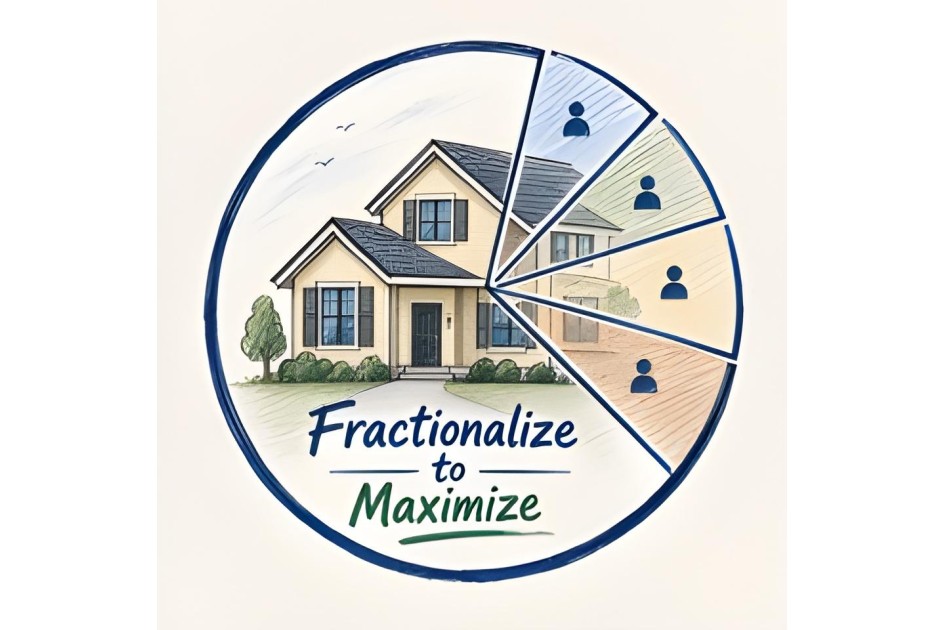
— Sherman D. Potvin Fractional Consultant | Author of "Fractionalize to Maximize"