Education
Vacation Home Co-Ownership: A Complete Guide to Shared Vacation Home Ownership
How vacation home co-ownership works: benefits, costs, LLC and deeded structures, usage schedules, exit options, and 10 FAQs to help you decide if shared vacation home ownership is right for you.
Owning a vacation home in a favorite destination is a dream for many Americans. Whether you imagine spending summers at a lake house, enjoying winter weekends in the mountains, or relaxing at a beachfront property, a second home offers a place to escape your everyday routine. However, purchasing and maintaining a vacation property can require a substantial financial commitment.
Vacation home co-ownership offers an alternative by allowing multiple buyers to share ownership of a property and divide eligible expenses. Instead of purchasing an entire home independently, each buyer acquires an ownership interest and receives specific rights under an agreed legal structure.
For buyers who want to enjoy a second home without carrying all the financial responsibilities alone, shared vacation home ownership can be an option worth exploring. Understanding how the arrangement works, what it costs, and how owners manage the property can help you decide whether this model suits your lifestyle and financial goals.
What Is Vacation Home Co-Ownership?
Vacation home ownership usually involves purchasing a property for personal vacations, seasonal stays, or occasional family visits. The owner manages the property, pays the expenses, and decides how to use it.
Co-ownership changes this arrangement by allowing two or more people to hold defined interests in the same property. Each owner contributes toward the purchase and shares ongoing responsibilities according to the ownership agreement.
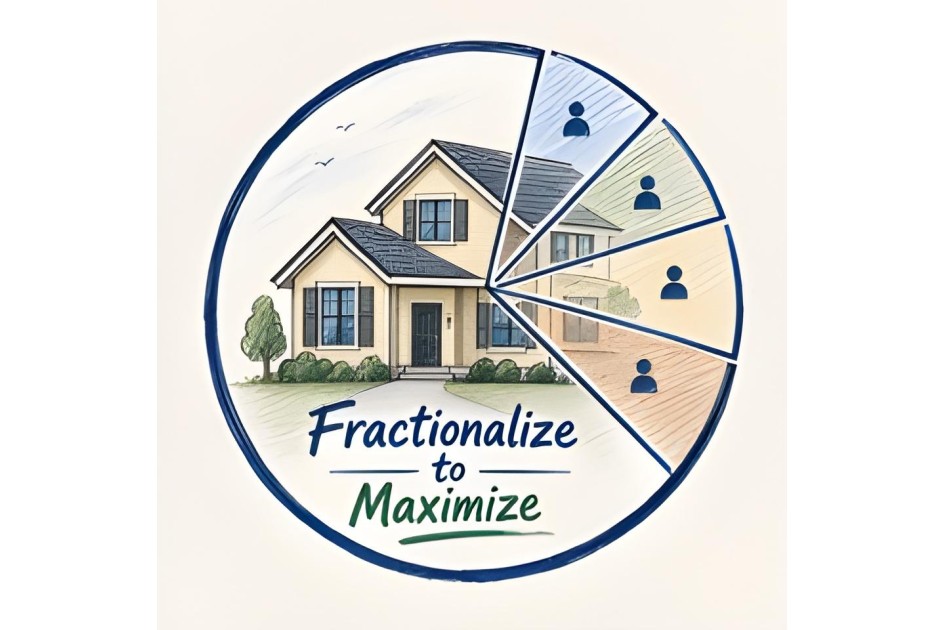
For example, imagine a family wants to purchase a $600,000 vacation home near a popular coastal destination. Four buyers could each contribute $150,000 toward the purchase price, assuming equal shares and excluding closing costs and other expenses. Each buyer would then hold a 25% interest if the legal documents establish that ownership structure.
The owners could also agree on a vacation schedule, maintenance responsibilities, and rules for managing shared expenses. Depending on the arrangement, they might own the property directly or through a limited liability company (LLC).
The important distinction is that fractional ownership can provide a genuine property interest, but the exact rights depend on the deed, legal structure, and governing agreements. Buyers should review those documents carefully before making a financial commitment.
Key Benefits of Shared Vacation Home Ownership
Shared vacation home ownership can make certain second-home opportunities more accessible by dividing the financial and practical responsibilities among multiple owners.
1. A Lower Initial Financial Commitment
Purchasing an entire vacation property can require a large down payment or substantial cash investment. With co-ownership, buyers contribute toward their respective shares rather than funding the entire purchase independently.
This arrangement may allow buyers to consider properties that would otherwise exceed their individual budgets. However, buyers must also account for closing costs, legal fees, furnishings, insurance, taxes, and ongoing expenses.
2. Shared Property Expenses
Owning a vacation home involves more than the initial purchase price. Owners must budget for property taxes, insurance, utilities, repairs, landscaping, cleaning, and routine maintenance.
Co-owners can divide these expenses according to their ownership percentages or another clearly documented arrangement. A shared reserve fund can also help cover unexpected repairs, such as replacing an HVAC system or repairing a damaged roof.
3. Access to a Preferred Vacation Destination
Some buyers want a second home in a destination they visit regularly but do not need year-round access. Co-ownership can provide a place to stay during planned vacations without requiring one person to purchase the entire property.
Owners can establish a calendar that allocates weekends, holidays, and peak travel periods fairly. Clear scheduling rules help reduce conflicts and ensure everyone understands their usage rights.
4. Potential Long-Term Property Appreciation
Real estate values can increase or decrease over time. If a vacation property appreciates, its owners may benefit from the increase in proportion to their ownership interests, subject to selling expenses and other obligations.
However, vacation home co-ownership does not guarantee investment returns. Buyers should evaluate the property's location, condition, comparable sales, ongoing expenses, and potential resale market before making a decision.
How Does Vacation Home Co-Ownership Work?
A successful arrangement requires more than finding buyers who want to share a house. The owners need a clear legal framework and practical rules that address everyday decisions.
Here are the main steps involved.
Step 1: Choose the Right Property
Consider the location, purchase price, property condition, accessibility, seasonal demand, and likely maintenance requirements. A property that works well for one owner may not suit several households with different schedules.
Step 2: Decide How Ownership Will Work
Determine how many owners will participate, how much each person will contribute, and what ownership interest each buyer will receive. Some arrangements use direct deeded ownership, while others use an LLC that owns the property and issues membership interests to its owners.
Step 3: Prepare a Comprehensive Ownership Agreement
The agreement should explain ownership rights, expense allocation, voting procedures, management responsibilities, booking rules, dispute resolution, and the process for selling or transferring an interest.
Step 4: Establish a Fair Usage Schedule
Owners should agree on how to allocate vacation time, particularly during summer, school breaks, and major holidays. A rotating priority system or advance booking calendar can help distribute popular dates fairly.
Step 5: Plan for Maintenance and Unexpected Costs
Create a realistic annual budget and determine how owners will contribute to a reserve fund. The agreement should also explain how the group approves major repairs and handles emergency expenses.
Step 6: Define Exit and Resale Options
Circumstances can change. An owner may relocate, experience financial difficulties, or decide to purchase a different property. The agreement should explain whether and how that owner can sell or transfer their interest and whether the remaining owners have purchase rights.
Important Costs to Consider Before Buying
Although shared vacation home ownership can reduce an individual's initial contribution, it does not eliminate the costs of owning real estate.
Potential expenses include:
- Purchase and closing costs: Legal fees, title-related expenses, inspections, and other transaction costs.
- Property taxes: Taxes assessed according to the property and applicable local rules.
- Insurance: Coverage for the home, liability, and other risks relevant to the property.
- Maintenance and repairs: Routine upkeep and larger projects such as roofing, plumbing, or heating and cooling repairs.
- Property management: Fees for coordinating maintenance, cleaning, inspections, and owner communications.
- Reserve contributions: Money set aside for future repairs and capital improvements.
- Resale expenses: Potential brokerage commissions, legal fees, transfer costs, and taxes when an owner sells an interest.
Buyers should request a clear estimate of recurring costs before signing an agreement. They should also understand how the group will handle a situation in which one owner cannot pay their share of an unexpected expense.
Legal and Financial Considerations for Co-Owners
The legal structure plays an important role in determining how vacation home ownership operates when several buyers share a property.
An LLC may help establish a formal management structure, define member responsibilities, and separate certain business obligations from members' personal affairs. However, an LLC does not automatically protect every owner from every liability, and its suitability depends on the circumstances.
Before purchasing a share, buyers should review:
- The deed or documents establishing their ownership interest.
- The co-ownership agreement or LLC operating agreement.
- Rules for allocating expenses and approving major purchases.
- Procedures for resolving disagreements.
- Restrictions on transferring or selling an ownership interest.
- Insurance coverage and potential liability.
- Applicable state real estate, tax, and other regulatory requirements.
Buyers should consult a qualified real estate attorney and tax professional before finalizing the arrangement. Requirements can vary by state, and some fractional property offerings may fall under additional regulations depending on how they structure and market ownership and usage rights. See our state-by-state fractional ownership regulations for an overview.
How FractionalRealEstate.pro Supports Fractional Ownership
People who want to understand fractional property ownership may benefit from resources that explain the legal, financial, and operational aspects of structuring a shared property.
FractionalRealEstate.pro offers resources for property owners, real estate professionals, and individuals interested in creating fractional real estate opportunities.
Its offerings include LLC operating agreement templates designed for arrangements involving multiple co-owners, fractional property websites, sales training, and the Fractionalize to Maximize DIY manual. These resources cover practical topics such as ownership structure, share pricing, expense allocation, usage scheduling, marketing, and closing a fractional offering.
The website also features Sherman D. Potvin, who reports more than 28 years of experience in fractional real estate and experience working with resort brands and developments.
For property owners exploring a shared ownership model, these resources can provide a starting point for understanding the process and identifying important decisions. However, templates and educational materials should complement, rather than replace, legal and tax advice tailored to the specific property and jurisdiction.
Is Vacation Home Co-Ownership Right for You?
Vacation home co-ownership may suit buyers who regularly visit the same destination, prefer shared financial responsibilities, and do not require exclusive access throughout the year.
It may also appeal to families or friends who want to purchase a vacation property together. However, the arrangement works best when everyone understands the costs, respects the usage schedule, and agrees on how the group will make decisions.
Before proceeding, ask yourself:
- Can I comfortably afford the initial purchase and ongoing expenses?
- Does the usage schedule match my vacation plans?
- Do I understand my legal rights and responsibilities?
- Can I accept restrictions on selling or transferring my share?
- Is there a clear process for handling disagreements and unexpected expenses?
Carefully evaluating these questions can help you determine whether fractional ownership aligns with your needs.
Frequently Asked Questions About Vacation Home Co-Ownership
1. What Is Vacation Home Co-Ownership?
Vacation home co-ownership is an arrangement in which multiple buyers share ownership of a vacation property. Each buyer receives defined rights and responsibilities based on the legal structure and governing agreement.
2. How Does Shared Vacation Home Ownership Reduce Costs?
Owners can divide the purchase price and eligible ongoing expenses among themselves. However, each buyer remains responsible for their agreed contributions, and the total cost depends on the property, ownership structure, and management arrangements.
3. Can I Sell My Share of a Jointly Owned Vacation Home?
Potentially, yes. The ability to sell or transfer an ownership interest depends on the legal structure, ownership agreement, applicable laws, and any restrictions or approval requirements. Buyers should review the exit provisions before purchasing.
4. Is Fractional Ownership the Same as a Timeshare?
Not necessarily. Fractional ownership may provide a deeded property interest or an ownership interest through an entity that owns the property. A timeshare generally focuses on the right to use a property during designated periods. Legal classification depends on the actual arrangement and applicable laws, not simply the label used in marketing. Learn more in Fractional Ownership vs. Timeshare.
5. Where Can I Learn More About Fractional Real Estate?
FractionalRealEstate.pro offers educational resources, legal document templates, fractional website services, sales training, and a DIY manual to help property owners and real estate professionals understand the process of structuring and marketing fractional ownership opportunities.
6. How Are Vacation Days Divided Among Co-Owners?
Co-owners typically establish a booking calendar or usage schedule in their ownership agreement. They may rotate priority for holidays, allocate time according to ownership shares, or use a reservation system. Clear rules help ensure that every owner receives fair access to the property.
7. Who Is Responsible for Maintaining a Shared Vacation Property?
Responsibility depends on the ownership agreement. Owners may manage routine tasks themselves or hire a professional property manager. The agreement should explain how owners approve repairs, divide maintenance costs, and handle urgent issues.
8. Can I Rent Out My Share of a Vacation Home?
You may be able to rent out your allocated usage time, but this depends on the ownership agreement, local rental regulations, insurance requirements, and any applicable homeowners association restrictions. Owners should confirm these conditions before advertising the property for rent.
9. What Happens If One Co-Owner Stops Paying Their Expenses?
The ownership agreement should explain how the group handles missed payments. Options may include written notices, late-payment provisions, reserve funds, or procedures for buying out an owner. Buyers should understand these rules before joining a shared ownership arrangement.
10. What Should I Check Before Investing in Fractional Real Estate?
Review the property's market value, ownership documents, ongoing expenses, insurance, management arrangements, resale restrictions, and potential tax obligations. Consult a qualified real estate attorney and tax professional to evaluate the arrangement before investing.
Conclusion
Owning a second home does not always mean purchasing an entire property independently. With careful planning, transparent financial arrangements, and clearly defined legal rights, vacation home co-ownership can offer another way to enjoy a vacation property while sharing its costs and responsibilities.
Before moving forward, evaluate the property's affordability, establish fair usage rules, plan for ongoing expenses, and create a practical exit strategy. Most importantly, make sure every owner understands the agreement before committing.
For additional guidance on fractional ownership structures, property marketing, and the process of creating a shared real estate offering, visit FractionalRealEstate.pro or contact me directly.
— Sherman D. Potvin Fractional Consultant | Author of "Fractionalize to Maximize"